Understanding the Basics of Remodeling
What is Remodeling?
Remodeling refers to the process of altering the structure, layout, or function of a space in a home. This can include everything from knocking down walls to create an open-concept living area to completely reconfiguring a room’s flow. Unlike simpler updates like painting or flooring replacement, remodeling involves substantial changes that can greatly enhance both the usability and aesthetic appeal of a home. Additionally, remodeling allows homeowners to tailor their living spaces to their specific needs, preferences, and lifestyle.
Key Differences Between Remodeling and Renovation
While often used interchangeably, remodeling and renovation have distinct meanings. Renovation typically refers to restoring a space to its original condition, such as repairing existing structures, updating finishes, and refreshing aesthetics without altering layout or function. In contrast, remodeling involves making significant changes to a space's structure or layout, transforming its purpose or enhancing its overall functionality. Understanding this distinction is essential for homeowners embarking on a project, as it sets expectations for the scope and impact of the work involved.
Types of Remodeling Projects
Home remodeling can encompass a wide range of projects across various areas in a home. Some common types include:
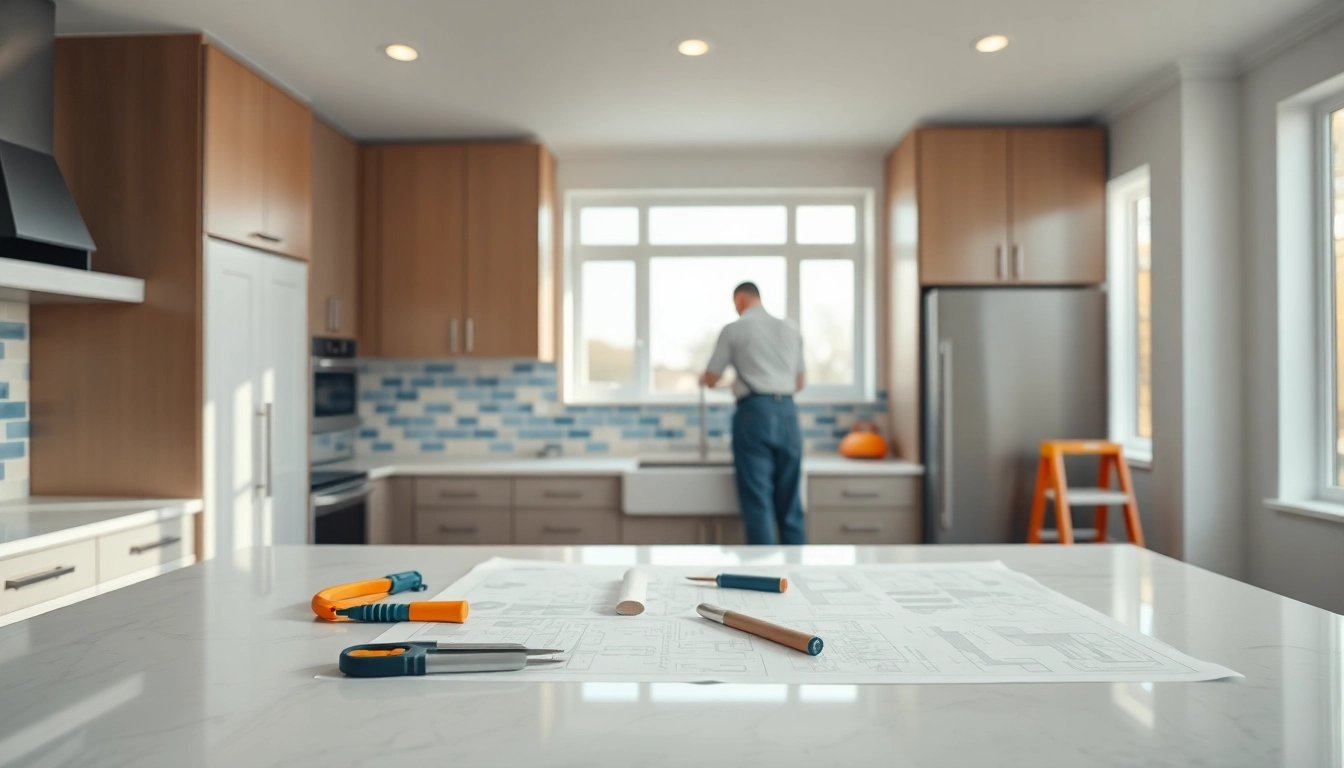
- Kitchens: Kitchen remodels can involve everything from updating cabinets and countertops to relocating appliances and altering the layout for improved workflow.
- Bathrooms: Bathroom remodeling projects often focus on improving functionality and aesthetic appeal, including upgrades to fixtures, vanities, and even spatial configuration.
- Basement Finishing: Transforming an unfinished basement into a usable, livable space requires significant alterations, making it a popular remodel choice.
- Room Additions: Expanding a home’s footprint by adding rooms like bedrooms or family spaces involves structural changes that can dramatically increase square footage.
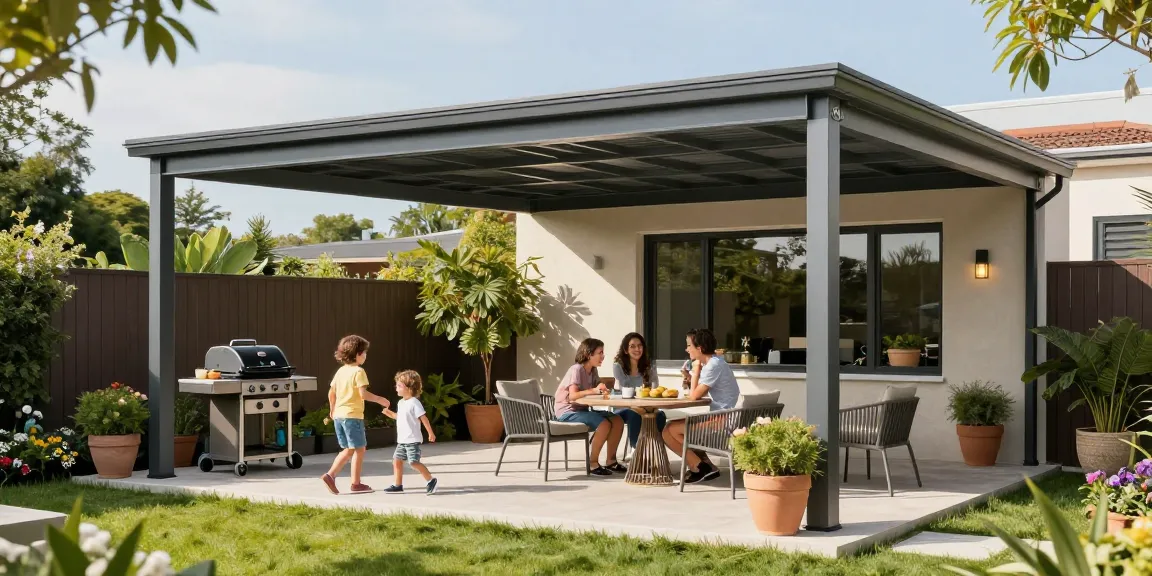
- Outdoor Spaces: Decks, patios, and landscaping can also be revamped, enhancing the livability of outdoor areas.
Planning Your Remodeling Project
Setting Clear Goals and Objectives
Before diving into any remodeling project, establishing clear goals and objectives is crucial. Homeowners must consider what they hope to achieve through the remodel. Are you looking for increased livable space? Enhanced functionality? A boost in resale value? Determine specific, measurable outcomes you desire, which will guide your decision-making process and help prioritize features during the planning stages. Documenting these goals will serve as a reference point throughout the project to keep it on track.
Budgeting for Your Remodel
Creating a realistic budget is a foundational aspect of any remodeling project. Begin by listing all desired changes and estimating the costs associated with materials, labor, and any permits required. It’s important to include a contingency buffer—typically 10-20% of the total budget—to cover unexpected expenses. Consider consulting with contractors or utilizing online tools to gather accurate cost estimates that can help refine your budget. Remember, being well-prepared financially will make the entire remodeling process smoother and more manageable.
Hiring Professionals vs. DIY
Deciding whether to hire professionals or tackle the project as a do-it-yourself (DIY) endeavor depends on multiple factors, including the project's complexity, your skill level, and available time. DIY may be feasible for smaller scopes, such as cosmetic updates or minor renovations; however, larger, structural projects typically require specialized knowledge and expertise that professionals bring. Weigh the benefits of cost savings against potential pitfalls when considering DIY. Often, the expertise of seasoned professionals can save both time and money in the long run.
Design Considerations for Remodeling
Choosing Your Style and Aesthetic
Your home's design and aesthetic should reflect your personality and preferences while also remaining functional. Begin by researching different styles—contemporary, traditional, minimalist, industrial, etc.—and gather inspiration from various sources such as magazines, websites, and previous projects. Creating a mood board can help visualize your desired aesthetic, guiding material and color selections while ensuring cohesive design throughout your remodel.
Essential Elements for a Functional Space
While aesthetics are important, functionality should be at the forefront of your remodeling plans. Key elements to prioritize may include:
- Space Planning: Assess the layout to optimize the flow and connectivity of spaces, ensuring that each area serves its intended purpose.
- Storage Solutions: Incorporate sufficient storage options to minimize clutter and enhance usability, choosing customized solutions that fit the style.
- Lighting: Effective lighting can transform spaces; include ambient, task, and accent lighting to create well-lit areas appropriate for their functions.
- Accessibility: Prioritize accessibility features, particularly if planning for aging in place or accommodating diverse needs of family members.
Incorporating Sustainable Practices
As environmental consciousness grows, many homeowners are opting for sustainable practices in their remodeling projects. Techniques may include selecting eco-friendly materials, such as recycled or reclaimed products, implementing energy-efficient appliances, and maximizing natural light through design. Utilize low-VOC paints and finishes to improve indoor air quality and consider water-saving fixtures to promote efficient water use. These strategies not only benefit the environment but can also lead to long-term savings on utility bills.
Executing Your Remodeling Plan
Essential Steps for a Smooth Remodel
A successful remodel requires effective execution of your detailed plan. Start by adhering to timelines and closely following your defined budget. Keeping organized records of decisions, receipts, and changes ensures transparency throughout the process. Regularly communicate with contractors and stakeholders, addressing issues proactively and ensuring everyone is aligned with the project goals. This diligence will aid in minimizing stress and streamline the remodeling process.
Managing Timelines Effectively
Managing timelines can be challenging in remodeling projects, especially when unforeseen circumstances arise. Upon establishing a project schedule, allow for flexibility within deadlines to accommodate delays. Frequent check-ins with your contractors and subcontractors will help assess progress and adjust timelines as necessary. Make use of project management tools to track milestones and stay updated on tasks that need completion. Keeping a positive attitude and adapting to changing situations will foster a more effective project flow.
Communication with Contractors
Clear and consistent communication with contractors is essential for ensuring a successful remodeling project. Establish a communication plan at the project’s outset, outlining preferred methods (e.g., face-to-face meetings, phone calls, emails, or project management platforms) and frequency of updates. Be open to receiving feedback, and encourage contractors to voice any concerns they may have along the way. A collaborative approach enhances productivity and leads to better outcomes for your remodeling project.
Evaluating the Success of Your Remodeling Project
Measuring Satisfaction and Functionality
Once the remodeling project is complete, it's crucial to evaluate its success. Begin by assessing whether the original goals and objectives were met. Are you satisfied with the changes made? Does the functionality of the space align with your needs? Engage family members to gather their feedback as well, noting any unforeseen issues. Constructive reflections will help inform your future remodeling decisions and provide insights into areas for additional improvements.
Boosting Property Value with Remodeling
Smart remodeling can substantially increase a property's value, making it important to align your choices with market trends. Focus on high-impact areas such as kitchens and bathrooms for maximum return on investment. Quality materials and craftsmanship are key factors that can elevate a project’s worth. Rather than pursuing overly personalized choices, aim for designs that appeal to a broader audience, ensuring that the investment is worthwhile. Consider consulting real estate professionals to gauge which remodeling projects provide the best returns in your local market.
Common Challenges and How to Overcome Them
Every remodeling project is likely to face challenges. Common issues include unexpected structural problems, budget overruns, and timeline delays. Proactively mitigate these risks by conducting thorough pre-remodel inspections to identify any underlying issues. Maintain open communication with your contractors, ensuring that they can promptly address concerns as they arise. Flexibility and a problem-solving mindset will aid in navigating challenges, ultimately leading to successful project completion.