
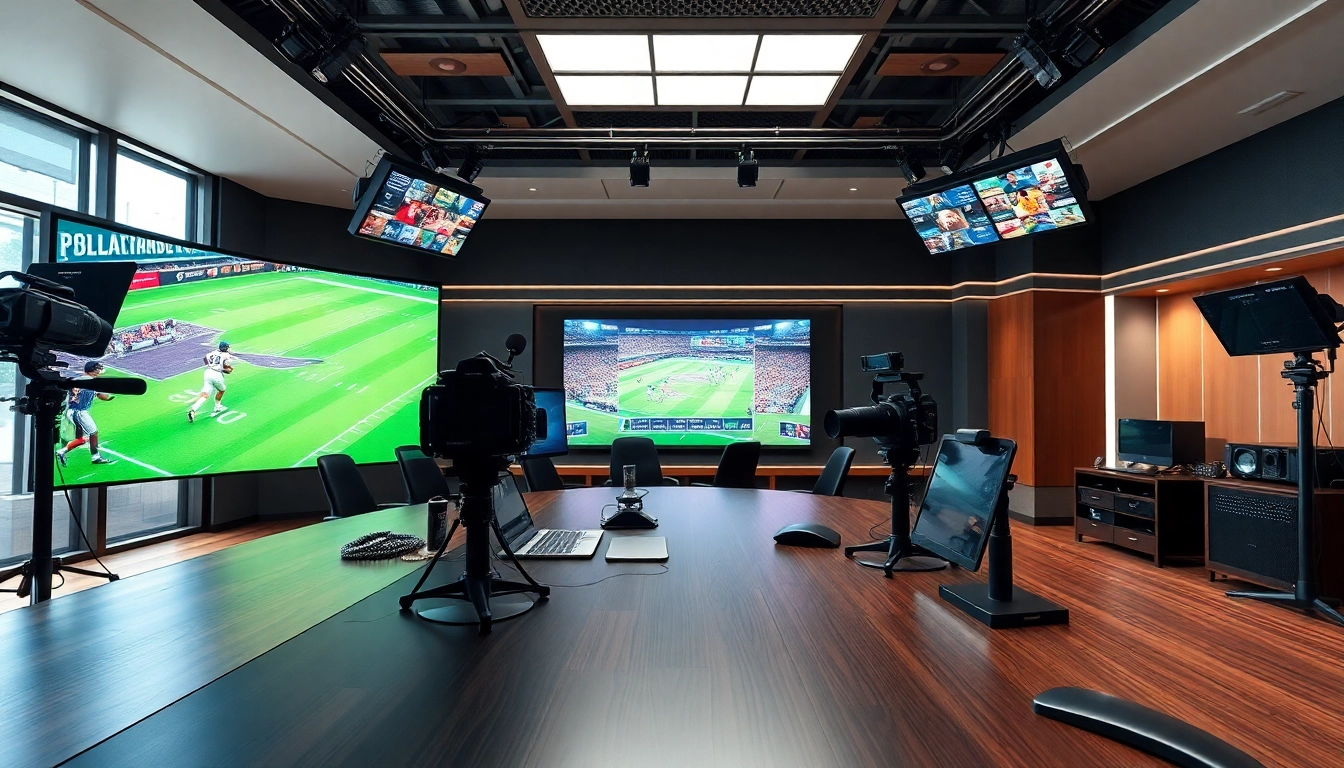
Understanding the Fundamentals of Sports Broadcasting
What is Sports Broadcasting?
Sports broadcasting refers to the live airing of sporting events, which encompasses various mediums such as television, radio, and online platforms. It serves a crucial role in connecting fans with their favorite teams and athletes, providing them with real-time information, analysis, and commentary. Integral to this process is the creation of a narrative that enhances the excitement of the game. Within this vibrant ecosystem, professionals work to deliver compelling content to viewers, ensuring they feel emotionally engaged with the events. A quick online search often leads enthusiasts to resources on the latest trends and techniques in Sports Broadcasting, showcasing its impact on modern sports culture.
Key Roles in Sports Broadcasting
Sports broadcasting involves a diverse team of professionals, each fulfilling distinct roles that contribute to the overall production quality. Key positions include:
- Producers: Oversee the entire broadcast process, coordinating all aspects from pre-production to airing.
- Directors: Manage the technical side, deciding camera angles, shots, and timing of cuts for effective storytelling.
- Commentators/Analysts: Provide live commentary and expert analysis, enhancing viewer understanding and enjoyment.
- Cameramen: Operate cameras to capture visuals that reflect the action and atmosphere of the event.
- Graphic Designers: Create on-screen graphics, statistics, and visual aids that inform the audience.
Essential Equipment for Sports Broadcasting
Quality sports broadcasting requires a range of sophisticated equipment. Key items include:
- Cameras: High-definition cameras are essential for capturing crisp, clear visuals, often varying in types such as handheld, fixed, or aerial drones.
- Audio Equipment: Microphones and mixers are crucial for ensuring clear commentary and fan reactions are captured without interference.
- Production Switchers: Allow directors to switch between camera feeds and graphics effortlessly, enhancing the viewing experience.
- Broadcasting Software: Platforms that enable real-time broadcasting and streaming over various networks.
- Lighting Equipment: Proper lighting enhances the quality of visuals, particularly in indoor venues where natural light is limited.
Techniques to Enhance Sports Broadcasting Quality
Using High-Definition Cameras
The use of high-definition (HD) cameras is fundamental to delivering a clear and immersive viewing experience. These cameras provide viewers with sharper images and greater detail, showcasing even the subtleties of player movements and facial expressions. Utilizing multiple camera angles, such as slow-motion replays and drone shots, can further engage the audience and enhance their connection to the live event. Advances in camera technology, such as 4K resolution, are also beginning to play a significant role in elevating broadcast quality.
Audio Production Tips for Sports Broadcasting
Audio quality is just as critical as visuals in sports broadcasting. To achieve excellent audio, several tips should be followed:
- Use Directional Microphones: These capture sound from specific directions, minimizing ambient noise.
- Employ Wireless Microphones: Suitable for commentators, reporters, and analysts, allowing freedom of movement and capturing commentary directly from the action.
- Implement Mixing Techniques: Balancing dialogues, sounds, and background noise enhances the listening experience without overwhelming viewers.
Lighting Techniques for Dynamic Coverage
Effective lighting is key to ensuring all visuals are clear and engaging. Strategically placed lights can help accentuate important moments, draw attention to specific players, and create an appealing atmosphere. Soft lighting reduces hard shadows, making it easier for viewers to see the action without distraction. Utilizing floodlights, spotlights, and portable lighting can adapt to different conditions, ensuring consistent quality regardless of the environment.
Trends Shaping the Future of Sports Broadcasting
Impact of Streaming Services on Sports Broadcasting
The rise of streaming services has dramatically altered how sports are consumed. Viewers now favor on-demand access over traditional linear broadcasts, leading to substantial changes in broadcasting strategies. Sports networks are increasingly partnering with streaming platforms to expand their reach and provide flexibility to viewers. This shift not only allows fans to watch games on their terms but also promotes increased engagement through interactive features like multi-camera views and real-time stats.
Emerging Technologies in Sports Broadcasting
The integration of emerging technologies such as augmented reality (AR), virtual reality (VR), and artificial intelligence (AI) is enhancing the viewer experience. AR can be utilized to provide interactive graphics, while VR offers immersive experiences that place viewers right in the game. AI, on the other hand, streamlines production processes, automating tasks such as highlights generation and audience engagement analysis, which ultimately reduces operational costs while improving service quality. These technologies create new opportunities for broadcasters to capture and maintain viewer interest.
Social Media’s Role in Sports Broadcasting
Social media is increasingly influencing how sports are covered and consumed. Real-time updates on platforms provide fans with play-by-play coverage, scores, and more, creating a more engaged audience. Broadcasters utilize social platforms to share highlights, behind-the-scenes content, and fan interactions, enriching the overall experience. This cross-pollination not only increases reach but also fosters a community around sports, making it essential for broadcasters to develop a solid social media strategy.
Challenges in the Sports Broadcasting Industry
Navigating Legal and Licensing Issues
The sports broadcasting landscape is heavily regulated, with licensing agreements governing which broadcasts can air where. Legal challenges can arise from copyright infringements, leading to costly disputes for broadcasters. Understanding the rights associated with various sports properties and navigating these legal landscapes is essential for broadcasters aiming to provide comprehensive coverage while adhering to regulations.
Competing with Global Networks
Local broadcasters often face fierce competition from larger global networks that have extensive resources and reach. To remain competitive, smaller entities must leverage niche markets or specialize in local sports coverage that larger networks might overlook. By creating unique content and strengthening community ties, local broadcasters can carve out a foothold in an increasingly crowded market.
Maintaining Audience Engagement
One of the critical challenges in sports broadcasting is keeping the audience engaged. With a plethora of entertainment options available, it’s crucial for broadcasters to innovate continually. Interactive content, fan polls, and behind-the-scenes materials can bridge the gap between traditional broadcasting and audience expectations. Engagement metrics, including social media interactions and viewership retention rates, can inform strategies aimed at maintaining viewer interest.
Measuring Success in Sports Broadcasting
KPI Metrics for Sports Broadcasting
Establishing key performance indicators (KPIs) is essential for gauging the success of sports broadcasts. Some critical metrics include:
- Viewership Ratings: Track the number of viewers and demographic information.
- Engagement Levels: Analyze viewer interactions on social media and streaming platforms.
- Ad Revenues: Measure income generated from advertising during broadcasts.
Analyzing Viewer Feedback
Gathering and analyzing viewer feedback is instrumental in determining areas for improvement. Tools such as surveys, social media sentiment analysis, and focus groups can provide valuable insights into audience preferences. This feedback should be used to inform programming decisions, ensuring that the content resonates with the target demographic.
Long-Term Strategies for Growth
Long-term success in sports broadcasting requires a strategic approach. This includes investing in talent, technology, and training while also exploring partnerships to broaden reach. Diversifying content offerings, such as including podcasts or specialized sports programming, can attract new audiences. Balancing traditional broadcasting with innovative approaches will ensure relevance in a rapidly changing landscape.
Frequently Asked Questions
What types of media are involved in sports broadcasting?
Sports broadcasting encompasses television, radio, and online streaming platforms, providing fans with diverse ways to watch or listen to live events.
How have streaming services impacted sports broadcasting?
Streaming services have shifted viewer preferences towards on-demand content, leading broadcasters to adapt their strategies and partner with these platforms for wider reach.
What are key roles in sports broadcasting?
Key roles include producers, directors, commentators, cameramen, and graphic designers, all working collaboratively to deliver high-quality broadcasts.
How can broadcasters engage their audience?
Engagement can be enhanced through interactive content, social media integration, and providing behind-the-scenes access or exclusive materials to fans.
What metrics are important for measuring success in sports broadcasting?
Important metrics include viewership ratings, engagement levels, and advertising revenues, all of which help gauge broadcast effectiveness and audience reach.