Understanding IPTV Subscription Models
In recent years, the rise of Internet Protocol Television (IPTV) has revolutionised how we consume content, offering a flexible alternative to traditional cable services. As a reseller, understanding the nuances of IPTV subscription models will equip you with the knowledge necessary to successfully market and sell services to your customers. When exploring options, Iptv subscription services provide comprehensive insights into various offerings available on the market.
What is IPTV?
IPTV stands for Internet Protocol Television, which is a system that delivers television programming and other video content via the internet, rather than traditional formats like satellite or cable. Users stream shows, movies, and live broadcasts directly over the internet to their devices, providing a much more versatile entertainment experience. IPTV services often come bundled with features such as catch-up TV, video on demand (VOD), and interactive applications.
Key Differences Between IPTV and Traditional Cable
Understanding the differences between IPTV and traditional cable services is essential for potential resellers. Here are a few key distinctions:
- Delivery Method: IPTV uses internet protocols while traditional cable operates over coaxial cables.
- On-Demand Content: IPTV provides a wide range of on-demand content, allowing users to watch programming whenever they want. Traditional cable often requires users to adhere to scheduled programming.
- Device Compatibility: IPTV can be viewed on various devices, including smart TVs, smartphones, and tablets, while traditional cable typically requires a cable box.
How Subscription Packages are Structured
IPTV providers typically offer several subscription packages, each tailored to different customer needs. Most packages are structured around the number of devices that can access the service simultaneously, available channels, and additional features like recording functionalities. As a reseller, understanding these structures will aid you in tailoring your sales pitches to prospective clients, making them aware of what best suits their viewing habits.
Setting Up Your IPTV Reseller Panel
Once you understand IPTV and its subscription models, the next step involves setting up your own IPTV reseller panel. This process can be straightforward, but it requires careful consideration at each step to ensure a robust and scalable business model.
Basic Requirements for Starting a Reseller Business
Before you embark on your IPTV reseller journey, ensure you have the following:
- Reliable internet connection capable of supporting high streaming bandwidth.
- A clear understanding of your target market and their preferences.
- Access to a trustworthy IPTV reseller panel provider.
- Basic technical skills to manage and troubleshoot customer issues.
How to Choose the Right IPTV Reseller Platform
Choosing the right IPTV reseller platform is pivotal for your business. Look for features such as:
- Server Stability: Ensure your provider offers reliable uptime and supports high traffic during peak viewing times.
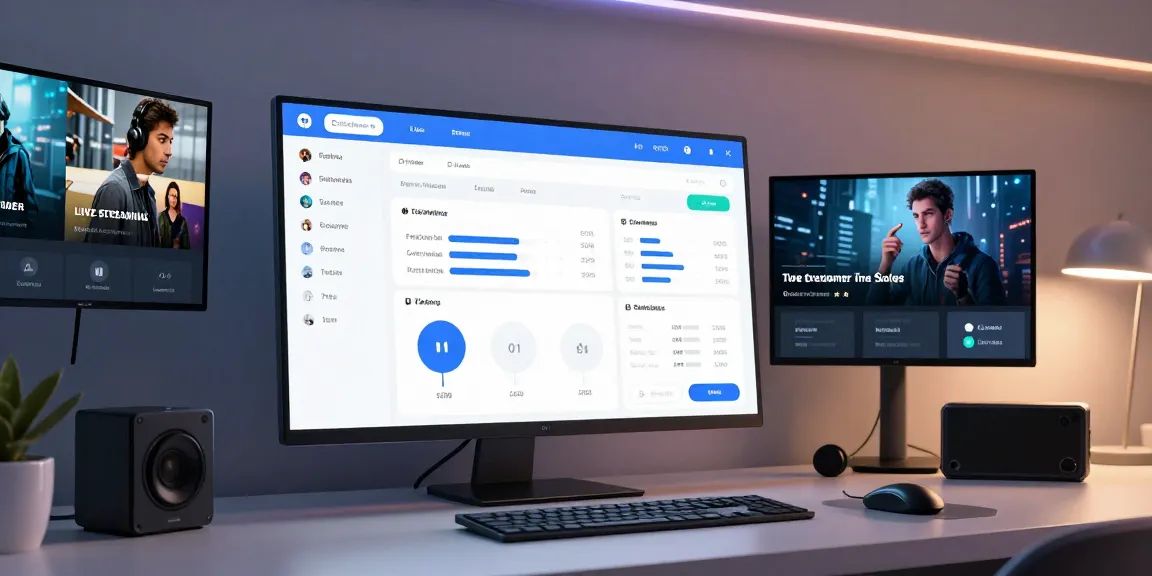
- User-Friendly Interface: A well-designed control panel will significantly ease your administrative workload.
- Support Options: 24/7 customer support can save you from reputational damage during operational issues.
A Step-by-Step Guide to Account Setup
After selecting a supplier, the following steps will help you establish your reseller account:
- Register: Complete the registration process on your chosen IPTV reseller platform.
- Account Verification: Once registered, your account must be verified before being fully operational.
- Familiarise Yourself: Spend some time navigating the control panel, understanding each feature, which will equip you for customer interactions.
- Create Customer Lines: Set up customer accounts with the desired subscription packages.
Maximising Customer Satisfaction with IPTV
Delivering exceptional customer service and ensuring your clients are satisfied are essential for a successful IPTV reseller business. Increasing customer satisfaction leads to greater customer retention and more referrals, both of which are critical for scaling your operations.
Best Practices for Onboarding New Customers
Onboarding new customers effectively can set the tone for their entire relationship with your service. Consider these best practices:
- Clear Communication: Provide clear instructions on how to access and use their new service.
- Setup Assistance: Offer support during the initial setup stage to ensure everything runs smoothly.
- Training Resources: Share guides or video tutorials on how to navigate the platform and troubleshoot common issues.
Troubleshooting Common Streaming Issues
Common issues that your customers may encounter include buffering, login problems, or poor picture quality. Here are some troubleshooting tips you can provide:
- For buffering issues, suggest adjusting the DNS settings or switching to a more stable internet connection.
- Advise customers on the optimal devices for IPTV, as some older devices may struggle with performance.
- Assist customers in resetting their credentials if they experience login issues.
Effective Communication Strategies for Resellers
Establishing effective communication methods can enhance customer satisfaction. Providing several channels — such as email, live chat, and social media — allows your customers to reach out when they need assistance. Ensure responses are timely and informative, fostering trust within your client base.
Advanced Features of IPTV Reseller Panels
To remain competitive in the IPTV market, it’s important to leverage advanced features provided by your reseller panel. These features can significantly enhance the overall customer experience.
Real-Time Analytics and Reporting Tools
Utilising analytics and reporting tools can help you track customer activity and preferences. This data can provide insights into popular content, peak usage times, and potential churn. Such analytics enable you to tailor your marketing strategies more effectively.
Implementing Parental Controls and Security
As IPTV services cater to a diverse audience, providing parental controls enhances customer satisfaction and protects younger viewers from inappropriate content. Offering robust security measures, including encryption, will build trust and promote safer viewing experiences.
Flexible Payment Systems and Credit Management
Flexible payment systems allow customers to pay through various methods, enhancing convenience. Advanced credit management options can also help you to manage multiple customers efficiently, ensuring timely renewals and smooth operations.
Trends Shaping the Future of IPTV Reselling
The IPTV landscape is constantly evolving, and staying informed about the latest trends is crucial for success in this competitive market.
Emerging Technologies in IPTV Delivery
Technologies such as 5G networks, improved compression algorithms, and edge computing are shaping the future of IPTV delivery. A reliable IPTV delivery system will heavily rely on these advancements to ensure high-quality streaming experiences.
The Impact of AI on Streaming Services
Artificial Intelligence (AI) is progressively integrating with IPTV services, providing advanced content recommendations, real-time analytics, and improved customer service through chatbots. Embracing AI can help resellers provide customised experiences to their viewers.
Future-Proofing Your IPTV Business Model
To future-proof your IPTV business model, consider diversifying your offerings, investing in advanced technologies, and staying ahead of market trends. Building strong relationships with your customers will also mitigate the impact of potential disruptive changes in the market.